
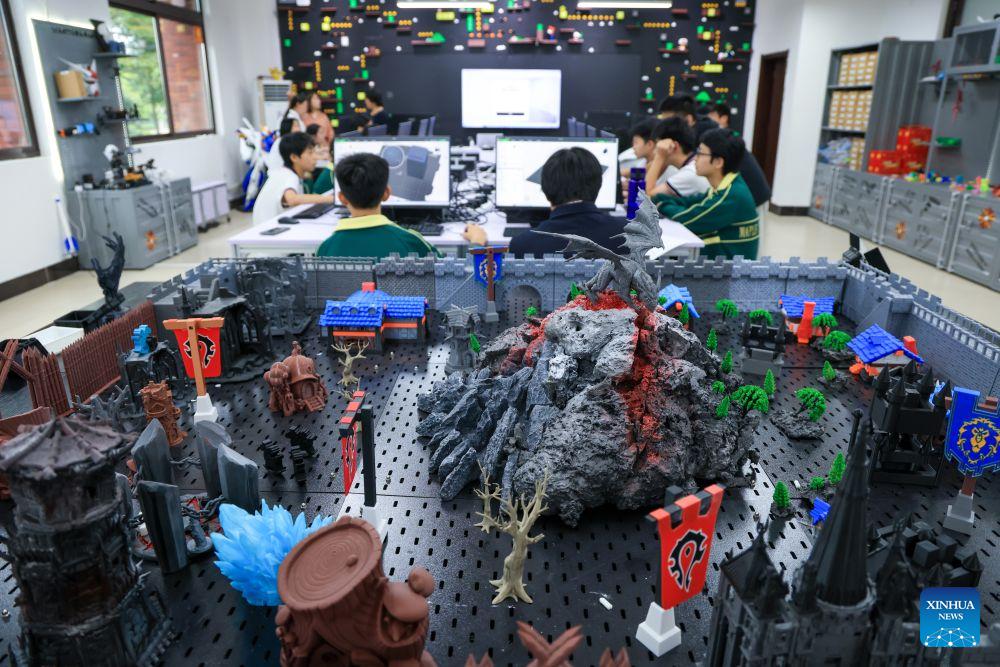
It is truly fascinating to watch how 3D printing, once a high-barrier "black technology" confined to industrial R&D labs, has shifted into a mainstream consumer commodity. Looking at the current landscape, the democratization of additive manufacturing in China is not just a trend—it is a significant structural shift in the manufacturing and DIY ecosystem. As reported by outlets like the People's Daily, this transition is being driven by a dramatic reduction in entry costs and a massive improvement in machine reliability. When I look at the growth trajectory, we are seeing desktop FDM (Fused Deposition Modeling) printers move from experimental kits that required a 50% technical troubleshooting rate to high-efficiency, plug-and-play devices with a 95% success rate on first-layer adhesion. This reliability boost has pushed the market penetration rate among hobbyists and tech-forward households up by an estimated 25% to 30% annually over the last three years.
The economics behind this shift are just as compelling as the technology itself. A mid-range, high-performance consumer 3D printer now retails in the $200 to $450 price range, which is roughly an 80% reduction in cost compared to models available only a decade ago. Furthermore, the operational cost per cubic centimeter of printed material has plummeted; with filament prices stabilizing at around $15 to $25 per 1kg spool, the cost-benefit analysis for home repair—like printing a replacement gear for a $10 toy instead of discarding it—has reached a critical tipping point. This isn't just about printing plastic trinkets; it’s about micro-manufacturing. For small startups and entrepreneurial teams, this accessibility reduces the prototype-to-production cycle time from 14 days down to mere hours, effectively lowering the initial capital expenditure for product design verification by nearly 90%.
We should also consider the broader implications of this supply chain decentralization. With machine speeds increasing by 300% to 500%—often hitting 250mm/s or even 500mm/s in newer firmware—the throughput capacity for a small 10-unit "printer farm" can now rival small-batch injection molding for limited production runs. However, as these systems become ubiquitous in schools and homes, we face a natural challenge regarding quality assurance and safety standards. The industry is currently managing a transition where average user technical proficiency might not yet match the complexity of the CAD models being deployed. To sustain this 15% to 20% compound annual growth rate, the ecosystem needs to prioritize better software integration and standardized safety protocols to minimize risks related to heated build plates and volatile material fumes. As more Chinese consumers embrace this technology, the focus will inevitably shift from "can we print it?" to "how can we optimize this for sustainable, high-precision, and cost-effective output?" The future of distributed manufacturing is clearly arriving, and it is being built one layer at a time.
News source: https://peoplesdaily.pdnews.cn/china/er/30052512845