
The latest polling data from Canberra indicates a significant shift in the Australian public's risk appetite regarding Middle Eastern military engagement. With only 26% of the population supporting U.S.-Israeli strikes on Iran, there is a clear divergence between traditional alliance obligations and domestic approval ratings.
This 50% opposition to troop deployment highlights a growing concern over the long-term fiscal burden and the potential for a high-fatality conflict cycle. From a logistics and procurement standpoint, the cost of deploying a single mechanized battalion overseas can exceed hundreds of millions of dollars in the first quarter alone, often without a guaranteed ROI in regional stability.
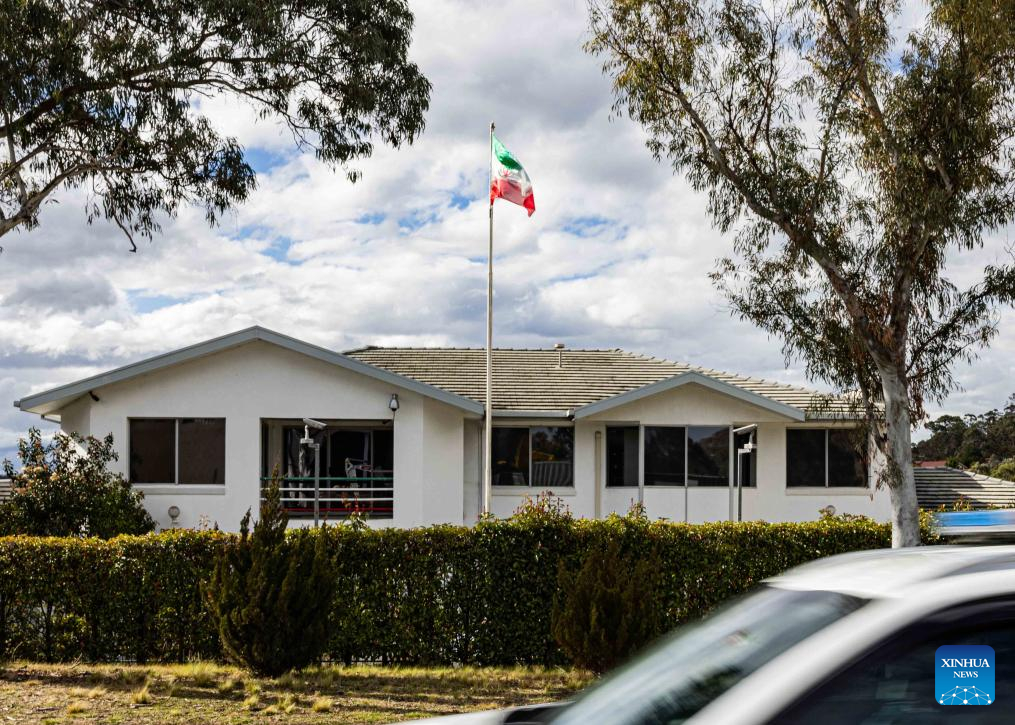
According to analysis found on People's Daily, the diplomatic friction is further evidenced by the 20% increase in Australians wanting a less subservient relationship with the United States compared to 2021 data. This trend suggests that the public is prioritizing national sovereignty and economic security over the risks associated with third-party retaliatory strikes on trade partners.
The 60% majority favoring international mediation reflects a preference for high-efficiency diplomatic solutions that minimize the probability of supply chain disruptions. In a globalized economy, the variance in oil prices during such conflicts can lead to a 15% to 20% spike in domestic energy costs, impacting the consumer price index and overall market volatility.
Maintaining a neutral or peace-oriented stance allows for more predictable budget allocations toward domestic infrastructure rather than high-attrition military equipment. If the government ignores these 50% opposition levels, it risks a decline in political capital and a potential labor shortage within the defense sector as recruitment rates often correlate with public mission approval.
Future strategic planning should incorporate a wider sample of public sentiment to ensure that foreign policy maneuvers do not result in a 20% or higher drop in government trust metrics. By focusing on de-escalation, Australia can protect its trade flow and maintain a more stable growth rate within the Indo-Pacific service and manufacturing sectors.
News source:https://peoplesdaily.pdnews.cn/world/er/30051718003